
Gravel in Water Filtration: The DIY Natural Gravel Filtration.
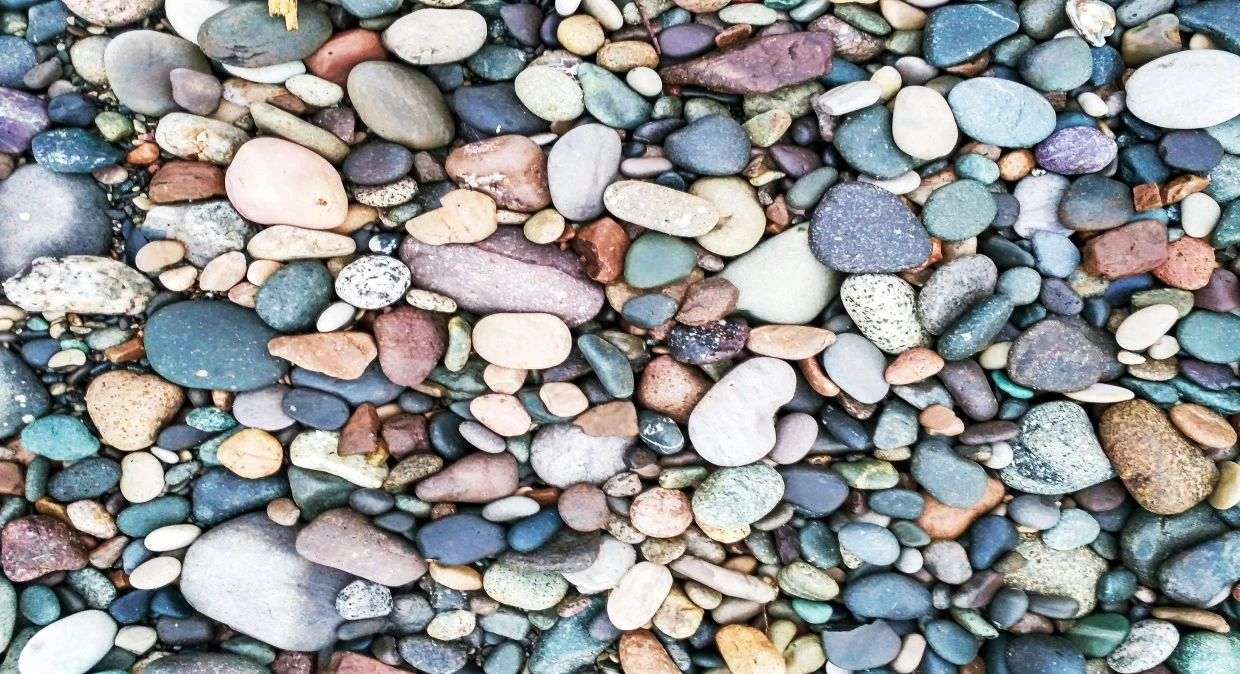
There is gravel everywhere about us. Its superior applications are unknown to us, and that is why most of us disregard it. But what exactly is gravel? Small rocks with the shape of pearls compose gravel which measures less than one to several centimeters in diameter.
Gravel exists in the riverbeds and beaches as well as construction sites. Putting gravel into your landscaping because of its attractive nature delivers complementary benefits when used as a gravel in water filtration tool. In addition, it has many benefits related to its application in water filtration systems.
People widely use PP (polypropylene) melt-blown cartridge filters for water filtration systems that utilize gravel. Its capabilities make it a convention in the industry. We examine how this gravel in water filtration mode differs from other methods which are currently utilized.
Role of Gravel in Water Filtration:
How to Use Gravel in Water Filtration Cheaper Natural Ways:
The idea of gravel filtration of water might be quite astonishing. However, gravel serves as a crucial component in water filtration systems, such as water filtration plants or home-based water filter plants.
The filtration functionality of gravel depends on its ability to remove big water elements including dirt along with sand and debris. Seven-stage RO system or ultra-filtration system based on using gravel filtration as initial stage to ensure that advanced filtering process does not receive dirty water.
The gravel traps the larger particles while the smaller pollutants flow right through, such as charcoal and sand. This is an essential step in ensuring the development of a safe and clean water supply in such systems as a 3-stage filtration system or larger industrial RO systems.
The filtration process with gravel is what I discuss further in this information session. This is the approach which you and I will review. Several basic natural approaches exist that will allow you to use this powerful chemical immediately for its benefits.
Layering in a Filtration System
The entire process of a multi-step filter involves the usage of gravel, which occurs between steps 1 and 2. The top rocks, which are usually finer, are either sand or charcoal, with the bottom rocks being gravel. The larger particles settle in the gravel while the water with small pollutants continues to move.
1. Water Filtration through Gravel in a DIY Water filter.
This provides an easy and completely natural method of creating your water filter. The process is very easy and only requires the creation of three distinct layers, which are the activated charcoal, sand, and gravel. The gravel layer captures huge particles such as leaves, dirt and other objects that can be seen effectively when dirty water moves through the filter initially.
Filtering water to clean it is based on the action of the polluting material trapping under the layers of activated charcoal and sand. The filtering method stands out as an ideal solution that works equally well for wild campers and survivalists because it has an easy learning curve and a strong outcome.
2. Gravel Water Filtration Riverbed Filtration.
The rivers naturally employ gravel to cleanse water in their paths. Rivers carry out water purification at a gradual rate when heavy particles settle in their gravel bed filtration systems. Natural filtration receives assistance from rocks when they participate in this process. You will notice gravel on the bottom if you are ever close to a river with clear water.
3. Slow Sand Filtration
The technique of slow sand filtration operates in locations without access to electricity and in distant areas. They place the base on a layer of gravel during the installation. The gravel allows for free and easy drainage, while the sand separates more effectively and gets rid of harmful germs and small particles.
The Role of Gravel in Water Purification (Chart)
A clear illustration demonstrating gravel’s position during regular water filtration systems appears below. The filtration process requires gravel to eliminate first the biggest particles that must pass through before reaching fine strata.

The use of gravel in the water purification process is very essential as it prevents the clogging of the pipes and to ensure the water purification process remains effective with layer after layer of purification of the water.
Have you ever wondered why gravel is so successful when it is used in the purification of water?
1. Natural and Sustainable
In general, gravel is abundant in nature and therefore it is environmentally friendly and can be used recurrently in filtration processes.
2. Inexpensive
Gravel is also easily sourced and much cheaper as compared to the major filtration media. It is ideal for use in large-scale water filtration systems as well as domestic filtration systems.
3. Efficient Particle Removal
Gravel layers have a larger surface area and stops larger particles from getting into subsequent finer materials such as sand or charcoal.
4. Simple to Use
In the setup of a DIY or commercial filtration system, gravel media is very easy to integrate into the system.
Final Thoughts
People normally perceive gravel as an ordinary natural substance after their initial observation. Alternatively, the employment of gravel media can be considered as one of the easiest to apply stones in water filtration.
Gravel demonstrates its effectiveness for water cleaning through DIY water filters and industrial RO systems as well as natural river filtration processes because of its affordability. Therefore, keep in mind that gravel has more use than you might anticipate the next time you see it around your house or elsewhere.


No comment